So, I got involved in this thing called the Mayfly Project about 10 years ago…
I had no idea what it would turn into, and I had no idea what it would do to me or for me. I saw a post on Facebook about these people in Arkansas taking foster kids fly fishing. They had this nifty logo printed on shirts and were selling them to help fund their cause. I inquired about what being a mentor would involve, and now here I am, a couple of hours removed from this year’s first outing for the Texarkana, Arkansas, project. There was a day when I worried about how much time something like this would take up. Now, I would literally drive across the country to help out with a project if given the opportunity. I’ve felt heavy emotions in the past, knowing that I wouldn’t get to fish with this kid or that kid again—but never like what happened today.
I forgot to mention that about two years ago I turned over the role of lead mentor to one of my best friends. Honestly, I had a tough time with that—not because I was concerned about him taking the lead. After all, he was the only choice I’d even consider. It was because being the lead mentor had become part of my identity, and I didn’t want to pass the torch. I knew it wasn’t something I could do indefinitely, and he was ready. Me? Not so much. Also, I turn 50 (Lord willing) this year, and stupid stuff like that weighs on a man. I wasn’t sure I was ready to fade into the background. In hindsight, all of those thoughts were dumb, and I’m a little disappointed in—and embarrassed by—myself for entertaining them. That’s not what TMP is about, but I’ll get a little deeper into the weeds on that later.
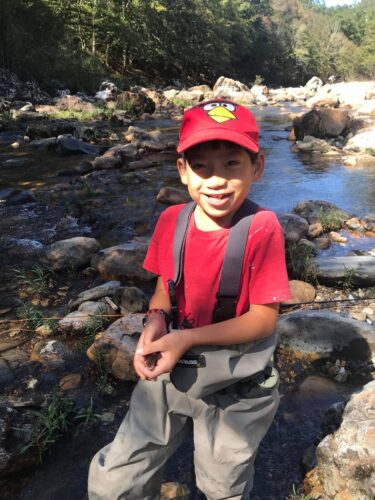
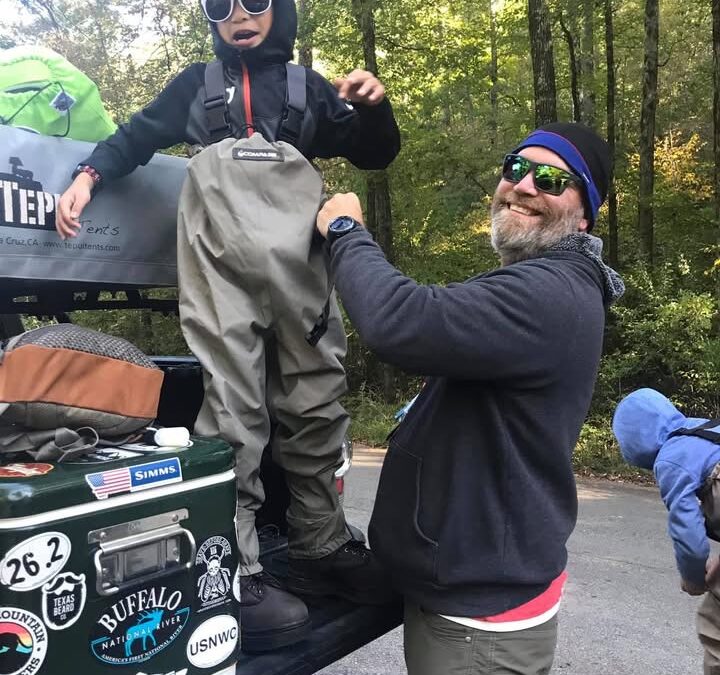
So, almost a decade ago, we had a class of mentees come through that included the youngest kids we’d ever had. Among them was this 7-year-old who had just arrived at the group home a month or so before we started. This was back in the day before we had the curriculum we have now. I believe it was our second year as a project. We were still trying to figure out what we were doing.
Anyway, during the introductions, I asked if anyone had any fly-fishing experience. This little guy said yes. He’d lived in Montana for a little while and proceeded to explain the life cycle of a salmon to us without missing a beat. I turned to look at my fellow mentors, fairly shocked, and then asked the kid if he’d like to take over from there.
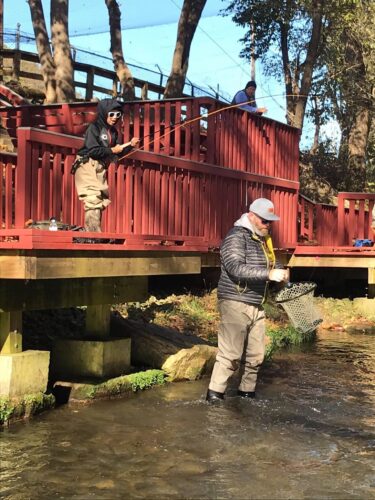
He is super intelligent, reads everything he gets his hands on, and is an absolute prodigy on the river. And he’s back for a victory lap this year as a 17-year-old young man who hasn’t forgotten a single thing he’s learned through the Mayfly Project. I asked him if he’d rather be paired with another mentor this year (I think this is his third or fourth time, and we’ve been paired together every time), and he said, “No, I’d like to stay paired with you. This will probably be my last year. I started with you, and I’d like to finish with you.”
I can’t explain what that felt like—how it landed or what it meant. I never realized a person could feel rejuvenated and absolutely gutted simultaneously. What I do know is that whatever emotional price I need to pay to be allowed even a small slice of impact on a young man like this, I’ll gladly pay it. It surely pales in comparison to the emotional roller coaster he’s experienced in his life. Time is the only commodity we can’t check the balance on, and the time we give these kids is just as important to them as it is to us. As far as I’m concerned, it is time well spent.
That’s the takeaway for me. If you’re involved with TMP, you’ve heard—or probably even said—”It’s not about me; it’s about the kids.” I’ve said it many times. And here it was, standing right in front of me. My mentee had just told me, in so many words, that he wanted to finish what he started with the person he started it with.
What we’re doing—this work with TMP—it works. It matters, and it’s making an impact. We need to take a lesson from my young friend. It was humbling to hear, but he made that gesture without hesitation. I plan on soaking up all I can while mentoring him this year.
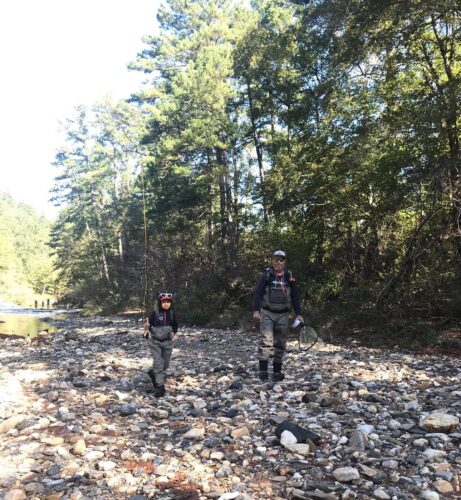
I’ve often said that if these kids are being impacted even half as much as I am by being part of this project, then it’s worth it. Fellow mentors, it is definitely worth it.
My fantasy has always been that maybe someday one of these mentees will find themselves standing in a river, teaching their son or daughter how to cast a fly rod, and they’ll recall a season when someone from a group called the Mayfly Project took the time to introduce them to fly fishing. Maybe they’ll even remember our names—that would be a sweet bonus. But if they don’t, that’s okay too.
Because it’s not about us… it’s about the kids.